Missile Strike Near Ben Gurion Airport Disrupts Flights; Israeli Airlines See Stock Surge Amid Foreign Carrier Suspensions
A ballistic missile launched by Yemen’s Iran-backed Houthi rebels struck near Israel’s Ben Gurion International Airport on Sunday morning, May 4, 2025. The missile impacted an access road adjacent to Terminal 3, causing injuries to at least six individuals and creating a sizable crater. This incident marks a rare breach of Israel’s air defense systems, as both the Israeli Arrow and U.S.-operated THAAD systems failed to intercept the projectile.
The attack led to immediate disruptions, with flights temporarily grounded, train services halted, and access roads closed. Passengers at the airport experienced panic, and emergency services responded promptly to the scene. The Houthi movement claimed responsibility for the strike, stating it was in solidarity with Palestinians in Gaza and warning that Ben Gurion Airport is no longer safe for travel.
In the wake of the missile strike, several major international airlines suspended their flights to Tel Aviv, citing security concerns. Carriers including Lufthansa, SWISS, Austrian Airlines, Brussels Airlines, Wizz Air, Air Europa, and Air France announced temporary halts to their services, with some suspensions extending until at least Tuesday.
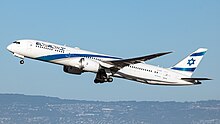
This withdrawal of foreign carriers has led to a notable surge in the stock prices of Israeli airlines. El Al, Israel’s national airline, saw its shares rise by 6.9%, continuing a trend that has seen its stock increase by nearly 40% this year. The airline has benefited from maintaining uninterrupted flight services during ongoing regional conflicts, leading to record-high profits. Similarly, Israir, a local low-cost carrier, experienced a 3.8% increase in its stock value.
El Al’s dominance in the Israeli aviation market has been reinforced by its commitment to maintaining operations amidst regional tensions. The airline has previously pledged not to alter ticket prices to certain international destinations, aiming to provide stability for travelers facing uncertainties due to flight cancellations by other carriers. Looking at prices for flights to Israel this year compared to previous years, this claim seems to be untrue.