US Frustrated by Hamas Delays as Israel Sees Little Progress in Ceasefire Talks
Efforts to reach a ceasefire agreement and bring home the hostages held by the Hamas terror organization remain at a standstill, with senior Israeli officials expressing growing concern that negotiations have reached a dead end due to deliberate stalling by the group. While Israel, along with international mediators, awaits a formal response to the latest proposal, the sense in Jerusalem is that Hamas is intentionally dragging its feet to improve its bargaining position.
Israeli officials involved in the negotiations stated that talks remain stuck at the same impasse, with no sign of movement from the terror group. The delays have led to serious doubts within Israel about whether any agreement can be finalized in the coming days. “We’re in the same place as before—there’s no progress,” one official stated.
A sign of the diplomatic freeze is the absence of U.S. envoy Steve Witkoff, who has yet to join the discussions in Doha, Qatar. His arrival had been expected once significant progress had been achieved, suggesting Washington sees no immediate breakthrough on the horizon. There is also discussion in Israeli circles about whether Strategic Affairs Minister Ron Dermer, who has previously expressed strong views regarding Qatar’s role, might accompany Witkoff in the future. Such a move could signal Israel’s reluctant recognition of Qatar’s importance in facilitating talks.
Washington, for its part, has reportedly become increasingly frustrated with Hamas’ lack of response, though officials are directing their pressure squarely on the group at this stage. The situation could shift, however, should Hamas accept the deal—at which point attention may turn to Israel to demonstrate flexibility on certain key points, including the positioning of IDF forces in Gaza.
In a statement, Hamas claimed it was conducting consultations with other Palestinian factions “with maximum speed and caution,” emphasizing its goal of securing a “dignified” agreement. The group’s priorities, it said, include halting Israeli military activity, reconstruction of Gaza, and lifting the blockade.
Reports from Arab media outlets suggested that Israel has already conceded on most of Hamas’ core demands, though no details have been confirmed by Israeli authorities. According to the reports, U.S. officials have encouraged Israel to show further flexibility on matters such as the deployment of forces and withdrawal timelines from Gaza territory.
Amid the lack of progress, activists and families of hostages have continued their public calls for an agreement. Large banners were displayed outside the Prime Minister’s Office in Tel Aviv on Monday, urging an immediate end to the war and the return of those held captive in Gaza. One banner read: “End the war now! Bring everyone home!” An activist involved in the campaign said that the public desires national healing and unity, and that the leadership must prioritize the safe return of all captives.
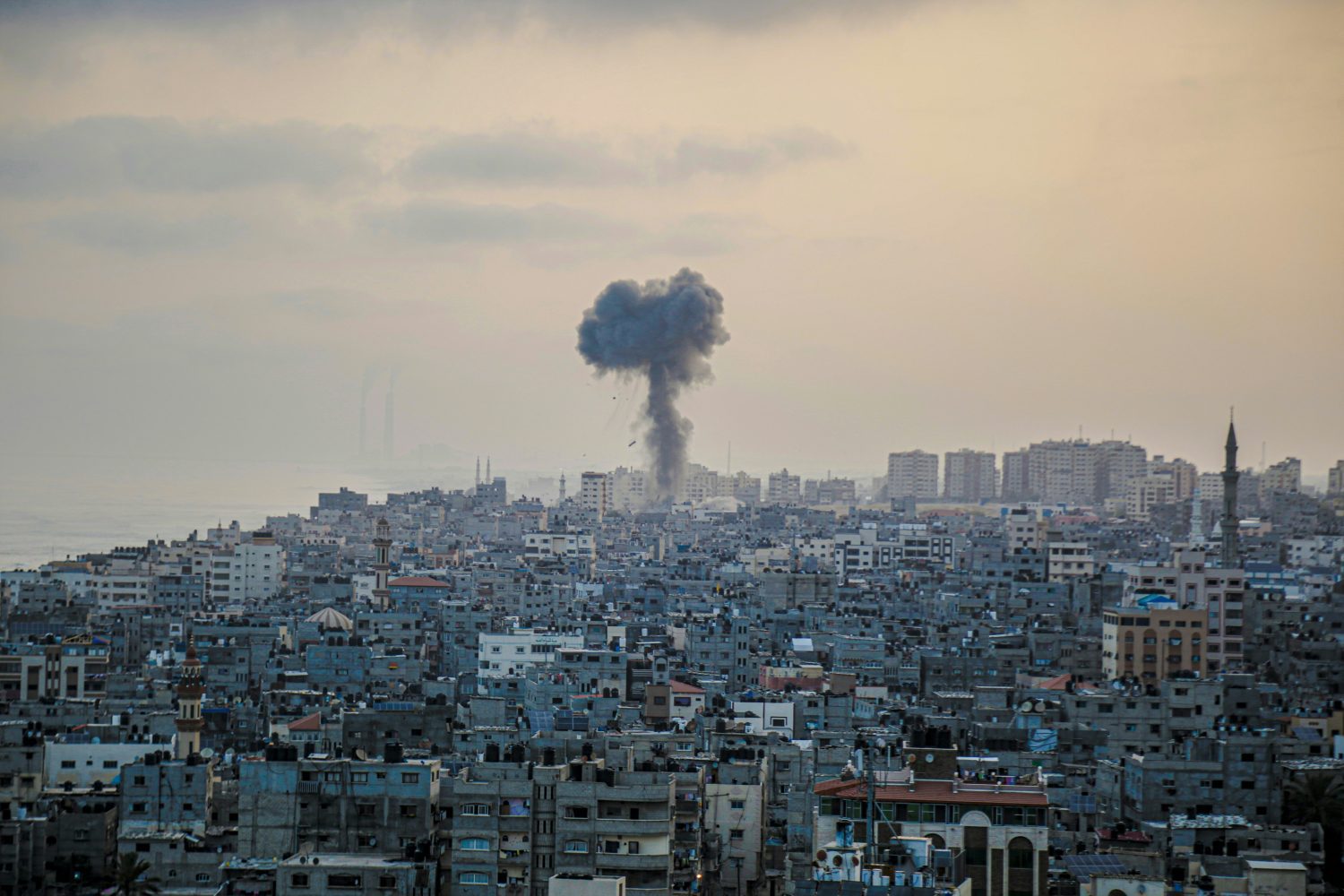
Meanwhile, in the field, the IDF appears to have expanded its operations in the Gaza Strip. While there was no formal announcement of a new ground campaign, residents of central Gaza reported IDF activity in the Deir al-Balah area. An Israeli military source confirmed that forces are operating in that region, with the goal of targeting Hamas infrastructure and dismantling its ability to control the area. According to the source, Hamas fighters are under increasing pressure, being pushed out of their positions, and losing their grip on the territory.
At the same time, a joint statement by 25 countries was released on Monday, calling for an immediate ceasefire and unrestricted humanitarian access to Gaza. The statement expressed deep concern about the worsening humanitarian conditions and condemned attacks on civilians and aid seekers. It also criticized Israel’s current approach to aid distribution, calling it inadequate and harmful to regional stability. The document demanded that Israel allow full humanitarian access and warned against any attempts at forcibly relocating civilian populations, which it said would violate international law.
The declaration also included strong language regarding the hostages, who have now been held by Hamas for over 650 days. “Their ongoing captivity is a grave injustice,” the statement said, calling for their immediate and unconditional release. According to the signatories, a ceasefire remains the best path toward securing their freedom and ending the suffering of all involved.