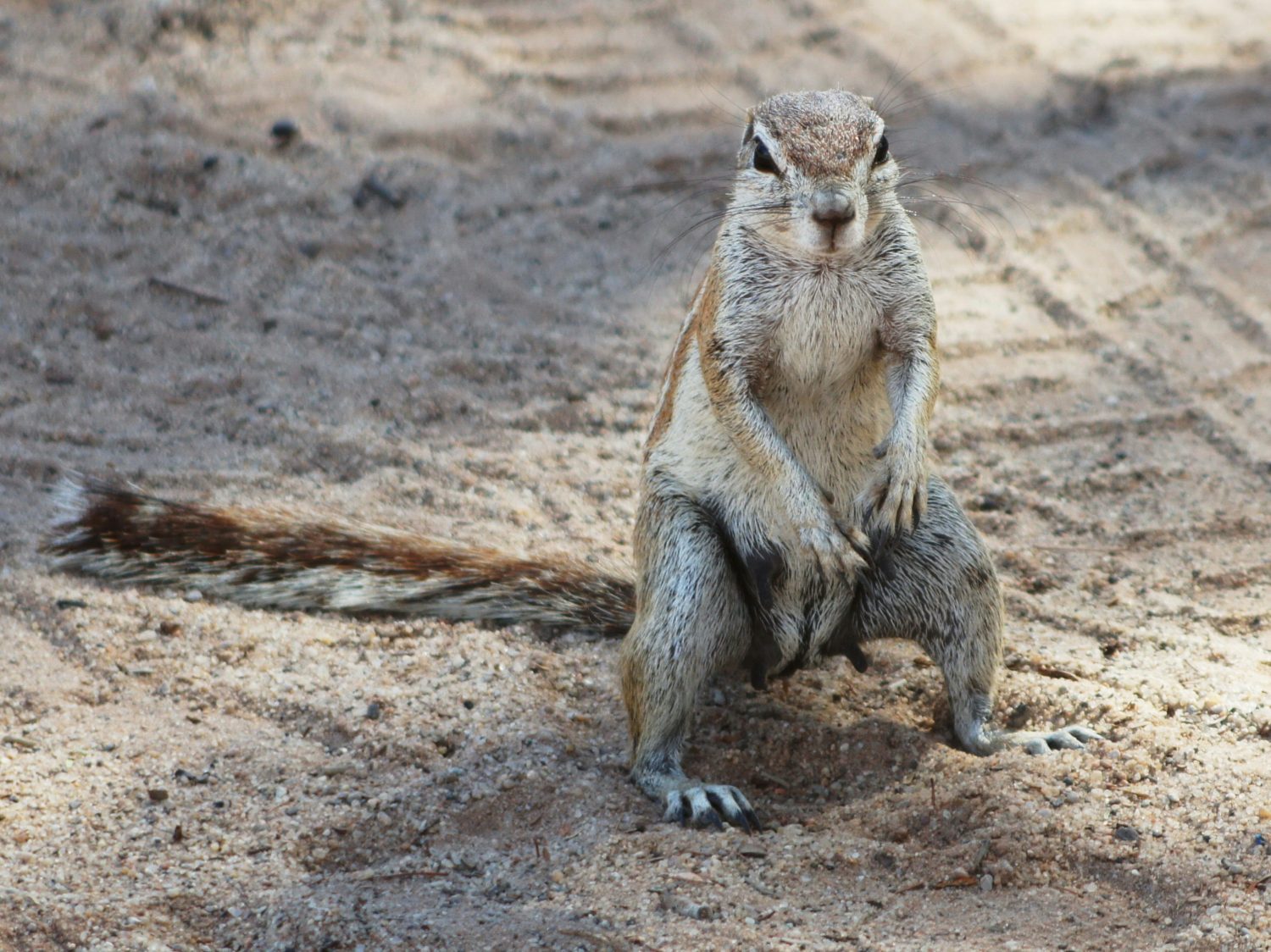
Troubled by Tunneling: Minot, North Dakota, Confronts Ground Squirrel Surge
In recent weeks, the city of Minot, North Dakota—home to approximately 50,000 residents—has found itself contending with a surprising and persistent challenge. Richardson’s ground squirrels, known locally as “dak‑rats,” have burrowed into nearly every corner of the city: residential lawns, school grounds, sidewalks, driveways, and even the Minot Air Force Base. These small creatures, weighing under a pound and measuring about a foot in length, appear harmless at first glance. Yet their relentless tunneling presents tangible concerns for public safety and city infrastructure.
For more than two decades, Minot has attempted to curb their population—but recent years have seen a sharp increase in their numbers. Experts estimate the squirrel population now rivals, or even exceeds, the city’s human population, with tens of thousands appearing within city limits. In rural prairie lands, natural predators such as coyotes, badgers, owls, and snakes help keep the squirrels in check. Within urban neighborhoods and the military base, however, such predators are scarce, enabling uncontrolled growth.
Reproducing swiftly, each female typically bears a litter of six pups annually, which intensifies the cycle of burrowing and property damage. Their tunnels weaken foundations, create tripping hazards, damage sidewalks, and pose health risks through fleas.
Leading efforts to manage the situation is pest-control specialist Joshua Herman. He traps and eliminates between 3,500 and 5,000 squirrels each year, using various methods including snares, carbon monoxide, and air rifles. However, he acknowledges that individual efforts are insufficient unless neighboring property owners also participate.
Minot’s Air Force Base, which houses nuclear-capable bombers and missiles, has also been impacted. A recent campaign there resulted in the capture of about 800 squirrels. Officials at the base note that the issue has persisted for decades and recently began a renewed mitigation effort. This includes trapping, hiring professionals, and expanding seasonal control operations in both spring and fall.
Within the broader community, reactions vary. Some residents view the animals as harmless or even appealing. Others, particularly those with children, express concern about disease and property damage. One mother recounted how she discovered chewed clothing in her daughter’s bedroom and noticed burrows near the apartment that could endanger the building’s foundation.
Despite the affection some feel toward the animals, officials warn that minimizing the risks they pose can lead to greater harm. Herman shared that some of his traps were tampered with or discarded, and he was at times criticized for removing the squirrels.
City officials acknowledge that total eradication of the animals is unlikely. The squirrels have long coexisted with prairie lands and now thrive in manicured urban environments that lack natural predators. Instead of elimination, the city’s goal is to manage the population to reduce safety risks and infrastructure damage.